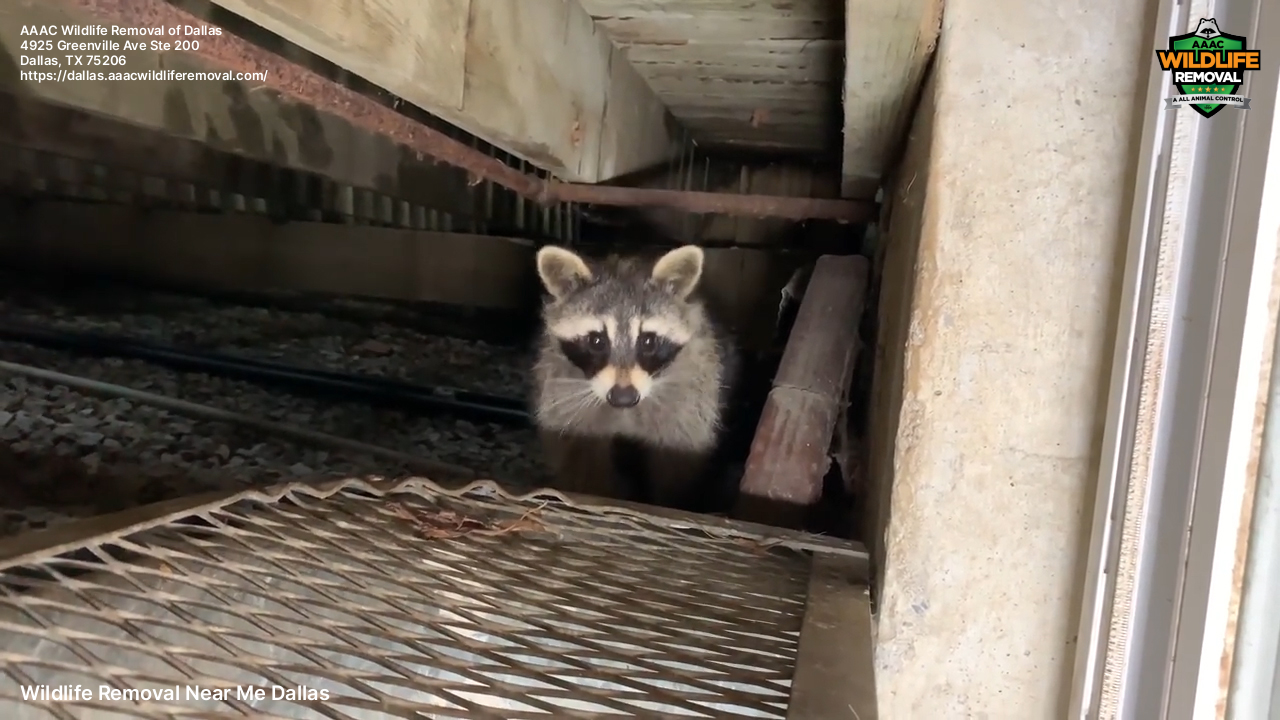
Homes don’t invite animals in on purpose, but the roofline, soffits, and low vents offer more opportunity than most people realize. In the field, I’ve seen squirrels widen a knot-hole into a three-inch doorway in a single morning and raccoons peel a ridge vent like a can lid. Bats need far less, slipping through gaps no thicker than a pencil. Once inside, wildlife follows the same formula: shelter, warmth, and a food-adjacent setting. The damage that follows ranges from torn insulation and chewed wiring to contaminated air and structural rot. That’s why a disciplined wildlife exclusion service does more than remove animals. It inspects, fortifies, and documents every vulnerability so the attic and crawl space stop acting like a motel.
What follows is a practical, field-tested checklist for thorough nuisance wildlife management, with a focus on attics and crawl spaces. Whether you’re a homeowner evaluating options or a facility manager coordinating a wildlife pest control service, the goal is the same: locate how animals entered, identify why they stayed, and close the chapter with repairs that hold up under weather, time, and animal pressure.
Why attics and crawl spaces get targeted
Attics mimic tree cavities, which makes them irresistible to squirrels, raccoons, and bats. The warmth of HVAC ducting and the quiet between rafters create a secure nursery for litters. Crawl spaces offer stable temperatures, moisture, and access to plumbing chases. Both areas tend to be neglected, so early warning signs go unnoticed. Add nearby food sources, such as bird feeders, compost, pet food on https://sites.google.com/view/aaacwildliferemovalofdallas/wildlife-trapping-dallas patios, or an active insect population, and you have the full recipe for pest wildlife removal to be needed sooner rather than later.
I’ve tracked late-night rustling to a pair of juvenile raccoons nesting over a garage and traced a cold spot in a living room floor to a family of opossums compressed along a joist. Each case hinged on an entry point that had gone unaddressed for months, backed by easily available calories within 30 feet of the house.
First look: honest assessment before any tools come out
Good wildlife removal service work starts with observation. You listen at dawn and dusk, then trace the sounds. You study soffits and gable vents from a distance first, then up close. You sniff for ammonia near attic hatches, look for insulation fluff pushed toward light leaks, and scan the ground for droppings, paw prints, and grease marks.
The material tells stories. Stained bat guano beneath a ridge cap points to a maternity roost. Small cone-shaped chew marks at fascia ends suggest squirrels. Heavy pry damage and torn vent screens lean toward raccoons. These distinctions matter because raccoon removal, squirrel removal, and bat removal require different timing, tools, and legal considerations. Most regions protect bats during maternity season and prohibit exclusion while non-volant pups are present. Squirrels can often be live-trapped or diverted with one-way doors, but only after locating the nest. Raccoons are strong, wary, and sometimes aggressive, so gear and tactics adjust accordingly.
Safety first: what professionals wear and why
Attic and crawl space work invites hazards unrelated to animals. Loose-fill insulation hides joists, roofing nails protrude through decking, and wiring can be spliced poorly. In crawl spaces, nails, debris, and standing water are routine. A professional wildlife trapper or pest wildlife trapper gears up accordingly. I use a respirator rated for particulates and bioaerosols, cut-resistant gloves, knee pads, and an insulated headlamp that doesn’t snag. In contaminated attics, a Tyvek suit prevents fiberglass rash and reduces exposure to droppings and urine. PPE isn’t overkill; it merely keeps the job from adding a health issue to the bill.
The inspection blueprint: exterior first, then inside
Start outdoors. Work clockwise around the building, documenting gaps larger than a quarter inch at the roofline and ground level. Pay attention to soffit returns, chimney flashing, roof-to-wall intersections, and utility penetrations. Gable vents with bent louvers or flimsy mesh provide easy access. Look for missing mortar at brick chimneys, rotten fascia ends where gutters overflowed, and the oddly popular “builder’s gap” along many ridge vents.
Once the exterior is mapped, move inside. In the attic, use light raking across surfaces to catch hair, smears, and trails. Probe insulation depth changes that reveal runways, and photograph any dark staining on sheathing that suggests long-term occupancy. In the crawl space, follow ductwork and plumbing lines. Animals travel along predictable edges, so you’ll find grease marks where they squeeze between pipes and beams. Note any daylight showing through sills and vents. A detailed inspection with 40 to 80 photos becomes the reference for the repair plan and proof that the wildlife exclusion service addressed not just the obvious hole but the future ones too.
Entry points: the usual suspects and the oddballs
I keep a running list of frequent failures. Roof return gaps where the roof meets the side wall tend to be the number one squirrel highway. Aluminum soffit panels buckle easily, and one pop can leave a finger-width opening that squirrels can enlarge. Plastic gable vents crack in sun exposure, then warp enough for bats to slip through. Ridge vents built with light-gauge aluminum deform under raccoon weight. Dryer vents and bath exhaust hoods lose their flappers quickly, inviting mice and small birds, which in turn attract predators.
Oddball entries happen as well. I’ve seen raccoons slip past a garage door seal that looked new but didn’t meet the concrete in one corner. A fitting for a gas line created a thumb-sized gap through brick, just enough for a bat colony to establish in the joist bay. When your wildlife control plan accounts for both the typical and the edge cases, the future call-backs plummet.
Removal and timing: solving the occupants before sealing the house
Close a hole with animals inside, and you create a mess. Trapped wildlife will rip new exits or die in the wall. A seasoned wildlife pest control service follows a clear sequence. First, remove or exclude the occupants safely, with species-specific timing in mind. Second, seal and reinforce entries. Third, clean and treat contamination as needed.
Time of year predominates. In spring, both raccoon removal and squirrel removal bump into litters in attics. Exclusion devices, such as one-way doors, should not be installed until the young are mobile, unless a trained tech can locate and safely reunite them after eviction. Bat removal is highly regulated in many states and often limited to late summer and early fall, when pups can fly. If you see conflicting advice that pushes year-round bat evictions, ask for a permit reference or state guidance. In my practice, I schedule bat exclusion windows and adjust other work around them.
Tools and materials that hold up
There is a difference between patching and exclusion. Patching is a quick fix that looks good for a few weeks. Exclusion anticipates an animal returning with determination. Squirrels chew. Raccoons pry. Bats test edges. I stock 16-gauge galvanized hardware cloth with quarter-inch openings for vents and gaps. The gauge matters because raccoons can crumple lighter mesh. For rodent-sized gaps, copper mesh combined with a quality sealant forms a chew-resistant barrier. On soffit returns and roof-to-wall joints, I prefer custom-bent metal flashing sealed to both planes with a UV-stable adhesive. For ridge vents, replacing a flimsy model with a baffled, screw-fastened unit and a continuous insect screen pays off. When the substrate is wood, screws beat nails. When the substrate is masonry, Tapcon or sleeve anchors beat adhesive alone.
The chemical side also matters. An elastomeric sealant that stays flexible across temperature swings is less likely to crack. In crawl spaces, use stainless screws and galvanized hardware to resist moisture corrosion. These details sound fussy, but they are cheaper than a second ladder trip.
Attic-focused checklist: a walk-through that finds what others miss
Use this short field checklist to keep the attic portion focused and complete.
- Confirm fresh versus old activity by checking droppings’ moisture, staining patterns, and insulation compaction; set a wildlife camera if unsure. Inspect ridge vent integrity, roof-to-wall flashing, and soffit returns; probe for rot with an awl and photograph each suspect location. Map and label all penetrations: plumbing stacks, furnace flues, electrical mast, and satellite cable entries; verify boot seals and counterflashing. Identify reproductive status if possible: presence of nests, lactating females, or pup chatter; adjust removal timing accordingly. Plan a clean-out scope: spot versus full remediation; note insulation R-value loss, urine saturation, and any wiring concerns that need a licensed electrician.
Crawl space-focused checklist: where small gaps do big damage
Crawl spaces reward patience. Move slowly, mind your head, and keep notes.
- Evaluate access doors and vents for gaps larger than a quarter inch; replace brittle plastic with metal-framed, screened assemblies. Check sill plates and rim joists for daylight and rot; pay attention to areas near hose bibs, gas lines, and cable penetrations. Inspect ductwork and vapor barriers for tears and droppings; look for condensation that might attract insects or amplify odors. Verify grading and drainage; standing water invites insects and wildlife that feed on them; add a French drain or regrade as needed. Confirm that utility penetrations are sealed with mortar or rated sealant; backfill larger gaps with non-rusting mesh before sealing.
Species notes: raccoons, squirrels, and bats
Raccoons: Think leverage and strength. I’ve watched a raccoon pry up a ridge vent as if it were foil. When aiming for raccoon removal, choose one-way doors sized for them and brace them to a rigid frame so they cannot twist the device off. Look for latrine sites near chimneys and corners, and plan for disinfection since raccoon roundworm eggs can persist. In attics, reinforced replacement often beats patching. Secure soffit panels to continuous blocking, not just the flimsy “J” channel.
Squirrels: Chew marks tell you where to look next. A sharp, scalloped bite pattern on fascia is the calling card. Squirrel removal commonly involves one-way exclusion paired with sealing every fingertip-sized gap along the roofline, because squirrels return to familiar scent trails. Trim vegetation back, ideally 8 to 10 feet from the roof. On metal drip edge, add an underlay of hardware cloth at corners. Squirrels test corners first.
Bats: Precision and timing rule bat removal. Install bat cones or one-way netting over primary exits only after identifying and sealing all secondary gaps the size of a dime or larger. The goal is to leave a single exit that works, not to trap them inside. Wait until pups can fly, often late summer, depending on region. After successful exclusion, a careful cleanup focuses on guano removal and odor control without aerosolizing debris. Many states publish bat exclusion calendars, and a reputable wildlife control provider will follow them.
Cleaning and sanitizing after the eviction
Once the animals are gone and the building is sealed, deal with what they left. The right level of sanitation depends on load and risk. A light squirrel incursion might leave a few scattered droppings and light insulation disturbance. A bat colony can deposit guano for years, and a raccoon latrine can concentrate pathogens in a single area. I favor HEPA-filtered vacuums, bagging waste in heavy liners, and targeted enzyme treatments that break down urine crystals and reduce odor. For heavily contaminated insulation, removal and replacement is often more cost-effective than piecemeal cleanup. In attics with HVAC air handlers, take extra care around return plenums to avoid pulling contaminants into the system. If the electrical runs show gnawing, a licensed electrician should inspect and repair before insulation goes back.
Materials that look good and stay that way
Homeowners often want finished appearances, especially on front elevations. You can have both durability and curb appeal. I work with color-matched metal flashing formed to the profile of each roof intersection, then back it with hidden hardware cloth. At gable vents, replace brittle plastic with louvered metal and an interior wildlife screen. Around chimneys, layered counterflashing with soldered corners and a proper cap beats the caulk-heavy band-aids that fail in a season. On crawl space vents, a painted steel frame with removable screens solves both airflow and animal pressure.
The trick is to think like water and like an animal. Water follows gravity, capillary paths, and wind. Animals follow scent, airflow, and leverage. If the detail blocks all three, you’ll rarely revisit the site for the same issue.
Documentation that actually helps
A polished wildlife exclusion service report serves three roles. It shows the client what you found, it guides the repair crew, and it covers warranty questions later. Include photos before, during, and after. Tag each location with a simple code: RV for ridge vent, RW for roof-to-wall, GV for gable vent, CF for chimney flashing, UV for utility penetration. Add material notes such as “16-gauge hardware cloth, stainless screws, OSI Quad Max sealant” so the next tech can replicate the standard. If the project involves bat removal regulated by the state, note dates relative to the exclusion window.
Costs, ranges, and smart budgeting
Prices vary by region and scope. In a metro area with higher ladders, insurance, and fuel costs, a basic inspection often sits between 125 and 350 dollars, sometimes credited to work performed. Spot exclusion at a single soffit return may run 250 to 600 dollars, depending on access and finish details. A full attic perimeter wildlife exclusion can range from 1,200 to 3,500 dollars for an average ranch-style home. Heavy contamination cleanup and insulation replacement can add 2 to 6 dollars per square foot. Bat exclusion projects with multiple rooflines tend to fall between 1,500 and 5,000 dollars, primarily due to time, detail work, and the need to seal dozens of small gaps. None of these numbers are promises, but they reflect what I’ve seen in practice where labor, safety, and materials drive the bill.
Integrating pest abatement without overdoing it
The goal is to remove wildlife and keep it out, not to turn a home into a chemical experiment. Mechanical exclusion outperforms repellents and deterrents almost every time. That said, pest abatement has a role. Address insect loads that attract bats, spiders, and small birds at exterior lights. Manage rodents proactively around the foundation with professionally placed stations, then harden the structure so you are not baiting a population that can enter the house. Food source management matters too: secure trash lids, store bird seed in metal cans, and bring pet food in at night. These steps complement the work of a wildlife pest control service without creating new risks.

When to call a professional, and what to ask
Some homeowners are handy and comfortable on a roof. Many are not. If you’re climbing past the second story or dealing with an active colony, call a professional wildlife trapper. In a dense market like wildlife control Dallas or similar cities, compare providers by more than price. Ask for species-specific experience, proof of insurance, and sample reports. Request materials lists and photos from completed jobs. A credible wildlife removal service will talk through timing, especially for bat and raccoon cases, and provide a plan that pairs removal with reinforcement, not just trapping.
If they insist on universal repellents or foam-only fixes, keep looking. Foam has its place as a backing material or air seal, but it is not an animal barrier. Screens, flashing, and proper fasteners do the heavy lifting.
Warranty with teeth, not fine print
Exclusion warranties should match the life of the materials and the species pressure. I offer one to three years on sealed points under normal wildlife conditions, with a clear exception list for new damage caused by storms, construction changes, or other contractors. A good warranty is worthless without documentation, hence the emphasis on photos and location codes. Annual or semiannual inspections help keep the warranty honest and extend the life of the work.
A note on ethics and local rules
Wildlife laws differ by state and even by county. Some require permits for trapping, others for relocation. Many prohibit moving certain animals due to disease risk. Bats often carry special protections tied to maternity and migratory patterns. Responsible nuisance wildlife management follows the law and favors exclusion over lethal control whenever possible. If relocation is illegal or impractical, humane dispatch may be required under permit, but in attics and crawl spaces, true exclusion typically solves the issue without escalating.
Putting it together: a realistic sequence for most homes
A typical job runs like this. Day one, perform a full inspection, set cameras if species is unclear, and present a plan. Day two or three, begin removal or timed one-way exclusions appropriate to the species. Once you confirm vacancy, start sealing, screening, and flashing. If contamination is heavy, schedule cleanup and remediation immediately after. Lastly, provide a report with photos, material notes, and a warranty. Return in two to four weeks for a courtesy check, then again seasonally if bats were involved or if the property sits under heavy tree cover.
Every step in that sequence is grounded in experience. Animals follow patterns. Homes telegraph their weaknesses once you know the signs. Strong materials and careful details outlast shouting, repellents, and wishful thinking.
Final perspective
Attics and crawl spaces don’t have to be battlegrounds. With a methodical wildlife exclusion service, you can convert them from easy targets into quiet, clean spaces that do their job without a second thought. The tools are simple, but the judgment is learned. Read the roofline like a map. Respect the timing of each species. Choose materials that earn their keep. If you need help, look for a wildlife removal service that treats your home like a system, not a series of holes to be foamed. That’s the difference between a short reprieve and a lasting fix.